Collaborative Tasks

Combustion Chemistry
Develop kinetic models predicting new fuel blend effects on combustion, enabling cleaner, more efficient device simulations.

Exhaust Aftertreatment
Tailored exhaust-aftertreatment solutions unlock net-zero GHG emissions for sustainable fuels—from e-fuels and biofuels to green hydrogen and ammonia.

Gas Engines
Advance understanding of fossil, bio, and e-fuel combustion to develop ultra-efficient, low-emission engines for hard-to-electrify sectors.
Gas Turbines
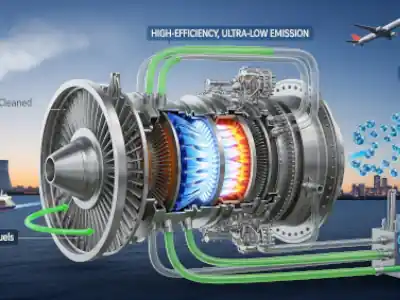
Advance understanding of fossil, bio, and e-fuel combustion to develop ultra-efficient, low-emission engines for power generation and aviation.

Hydrogen & Vector Fuels
Investigate hydrogen and green vector fuels to develop optimal combustion technologies supporting a global shift from carbon fuels.

Injection Processes
Advance scientific understanding of fuel jet formation and mixing to design efficient, low-carbon, clean combustion systems.

Net-Zero Carbon Engine Technologies
Support co-development of renewable fuels and engines for transport sectors, enabling flexible, net-zero, petroleum-compatible energy solutions.

Solid Fuel Combustion
Enhance understanding of solid fuel conversion to develop flexible, efficient, and cleaner combined heat and power solutions.

Soot
Advance understanding of soot formation, oxidation, and toxicity to predict and reduce emissions across diverse combustion systems.